When Life Changes Overnight
In 2015, my life changed overnight.
My boss called me into a meeting and told me the company was downsizing. Despite being a high performer, I was being let go. For a moment, the ground shifted beneath my feet. I had debt, no backup plan, and no idea what came next. I had always believed that working hard protected you from outcomes like this.
I fought back, moved cities, and slowly rebuilt my life from scratch. It was my first real experience with failure and emotional trauma. What I didn’t realize then was that this stress would soon manifest physically—in a way I could never have anticipated.
When Stress Shows Up on the Skin
About a month after losing my job, something alarming began happening. The skin on my palms and toes started itching uncontrollably. Layer after layer of skin peeled away, revealing raw, reddish-pink patches underneath. The itching was relentless. The more I scratched, the worse it became.
I visited multiple dermatologists and tried countless lotions and topical treatments. Nothing worked. Steroids were suggested, but I was hesitant to rely on them long-term. A friend eventually encouraged me to consult an Ayurvedic physician—and that recommendation changed everything.
Through my own research and consultations, I learned that I was dealing with psoriasis, a chronic autoimmune skin condition often triggered or worsened by emotional stress and trauma.
What Is Psoriasis?
Psoriasis is an autoimmune condition in which skin cells regenerate far too quickly—every 5 to 15 days instead of the normal 28-day cycle. Because new cells rise to the surface before old ones shed, they accumulate into thick, scaly patches.
Common Psoriasis Symptoms
- Dry, flaky, or scaly skin
- Red or inflamed patches
- Intense itching or burning
- Cracking or bleeding skin
- Scales on the elbows, knees, hands, feet, scalp, or face
For many people, psoriasis flares are closely linked to stress, illness, hormonal changes, or emotional trauma.
Types of Psoriasis
Psoriasis can present differently depending on age, triggers, and overall health. The most common types include
- Plaque Psoriasis–The most prevalent form, characterized by red patches covered with silvery-white scales, often on the scalp, elbows, or knees
- Guttate Psoriasis–Small pink spots, more common in children and young adults
- Pustular Psoriasis–Red, inflamed skin with white, pus-filled blisters
- Inverse Psoriasis–Smooth, red patches in skin folds such as underarms, groin, or under the breasts
- Erythrodermic Psoriasis–A rare but severe form affecting large areas of the body and requiring immediate medical attention.
The Stress–Psoriasis Cycle
Stress and psoriasis often feed into one another. Emotional stress can trigger flare-ups, while worsening symptoms can increase anxiety, frustration, and emotional distress. Breaking this cycle is essential for long-term management.
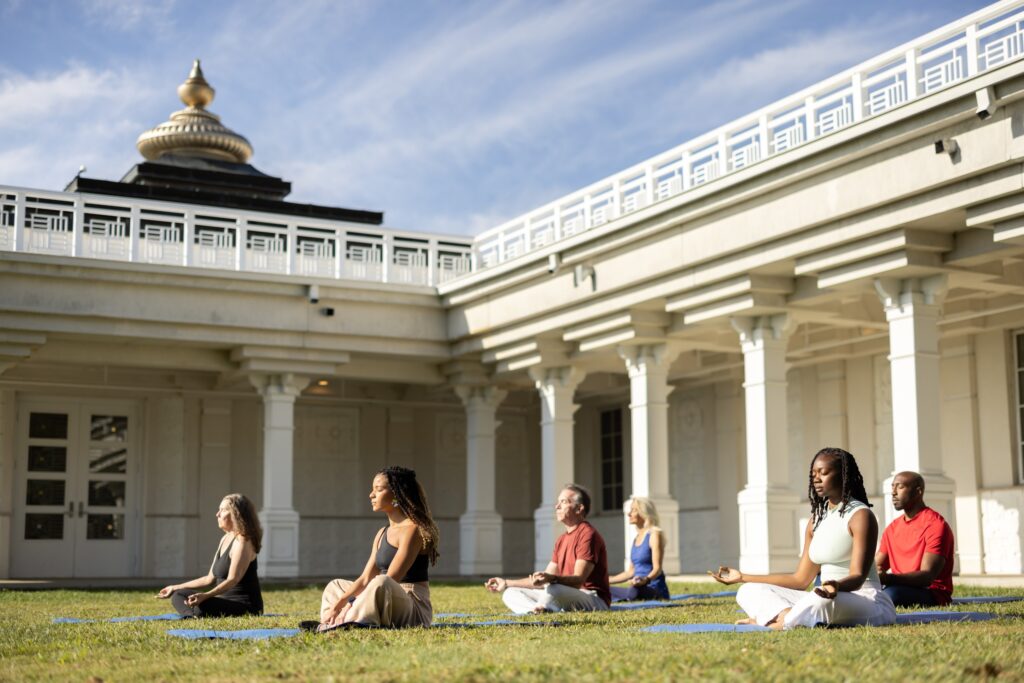
Practices like yoga, meditation, breathwork, and pranayama play a critical role in calming the nervous system, reducing inflammation, and improving immune regulation. Techniques such as Nadi Shodhana, Bhramari, and Sudarshan Kriya help oxygenate the body, release stress toxins, and restore emotional balance.
Listening to the body’s natural urges—especially digestion and elimination—is also essential to prevent toxin accumulation.
Want to learn more? Our The Happiness Retreat teaches powerful breathing techniques, yoga, meditation, and practical tools for emotional resilience and deep well-being.
How Ayurveda Approaches Psoriasis
One of Ayurveda’s greatest strengths is its holistic perspective. Rather than treating only surface symptoms, Ayurveda considers the mind, body, emotions, digestion, and lifestyle together.
In Ayurveda, psoriasis is referred to as Kithibha, a condition associated with blood impurities, impaired digestion (agni), toxin buildup (ama), emotional stress, and dosha imbalances.
Dosha Imbalances Linked to Psoriasis
- Vata – Dryness, cracking, scaling
- Pitta – Inflammation, redness, burning, itching
- Kapha – Thickened skin and sluggish healing
Treatment is always individualized based on constitution (prakriti) and current imbalances (vikriti).
Ayurvedic Therapies for Managing Psoriasis
Shodhana Chikitsa (Detoxification)
This phase focuses on deep cleansing through Panchakarma therapies, including
- Vamana (therapeutic emesis)
- Virechana (purgation)
- Raktamokshana (blood purification).
These treatments loosen and eliminate toxins through internal and external oleation, sweating (swedana), and guided cleansing.
Shamana Chikitsa (Pacification)
Once detox is complete, herbal formulations and topical applications help reduce inflammation, manage scaling, balance digestion, and calm the nervous system.
Rasayana Chikitsa (Rejuvenation)
Rejuvenative herbs such as Ashwagandha, Guduchi, Triphala, Brahmi, Haritaki, and Shatavari help strengthen immunity, repair tissues, and support long-term healing.
Diet and Nutrition for Psoriasis Management
Diet plays a crucial role in managing psoriasis symptoms.
Foods to Avoid
- Sour, salty, overly spicy foods
- Dairy (except diluted buttermilk)
- Fermented and processed foods
- Red meat and fast food
- Cold drinks and preservatives
- Incompatible food combinations (such as milk with fruit)
Foods That Support Healing
A warm, cooked, largely alkaline diet including vegetables like broccoli, lentils, carrots, beans, and asparagus can support balance and digestion.
Simple Ayurvedic Home Remedies for Psoriasis
- Keep skin moisturized with coconut or herbal oils
- Use turmeric regularly to reduce inflammation
- Neem for blood purification
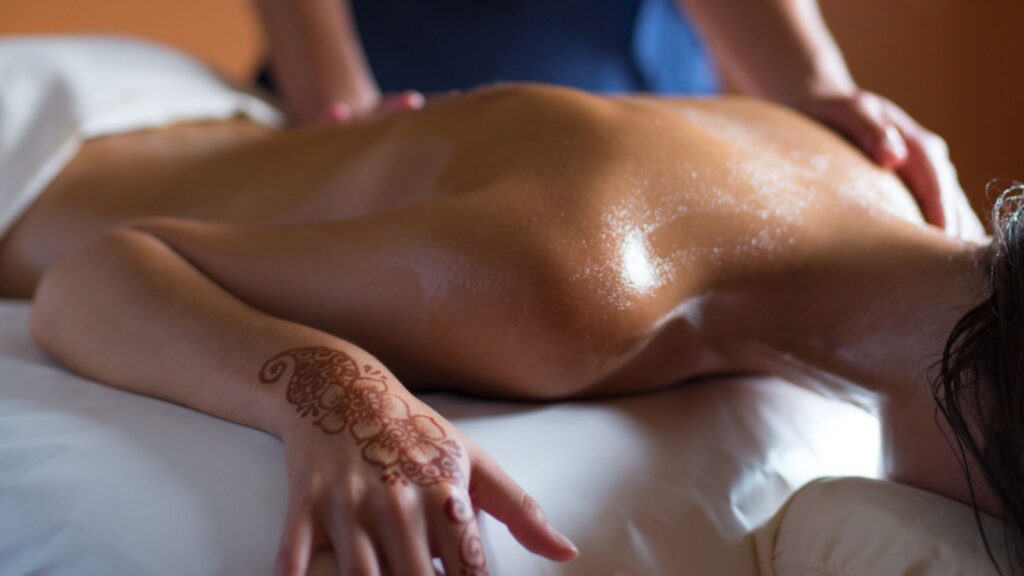
- Gentle oil massage to soothe dryness
- Natural sunlight exposure for vitamin D
- Fresh aloe vera juice or coconut water (as appropriate)
Healing from the Inside Out
Today, I’m grateful to say I’ve been symptom-free for over a year. Ayurveda didn’t just heal my skin—it helped me process emotional trauma, restore balance, and reconnect with my body.
Psoriasis taught me that true healing goes beyond symptom management. When stress, lifestyle, digestion, and emotional well-being are addressed together, lasting transformation becomes possible.
As with any herbal supplement or wellness practice, individual needs vary. Consult a qualified healthcare provider or Ayurvedic practitioner before beginning long-term use.