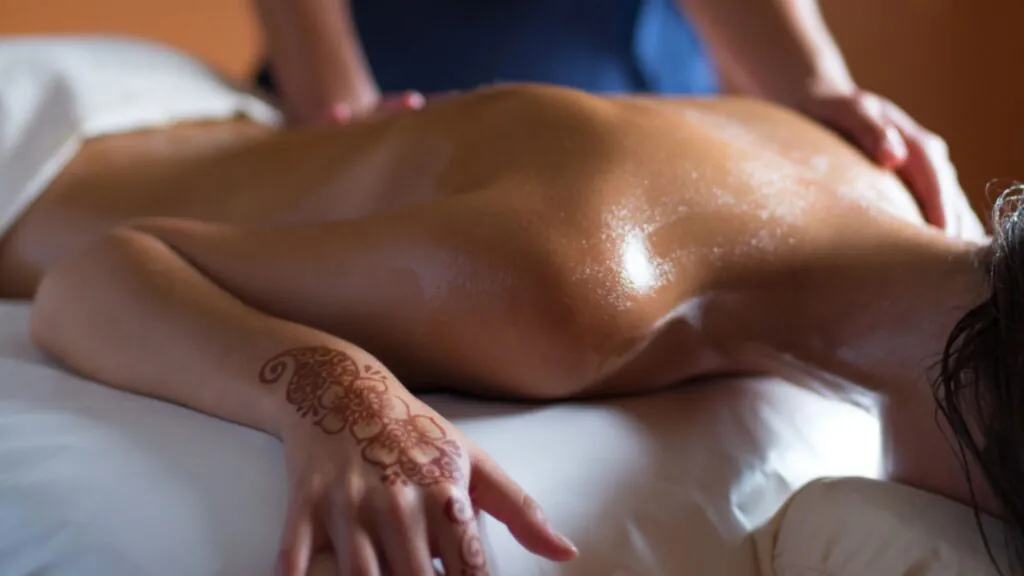
Did you know that according to the Ashtanga Hridaya—one of Ayurveda’s most authoritative classical texts—the feet are closely connected to the eyes? Ayurveda teaches that specific nerves and energy pathways in the feet influence vision and overall vitality. This is why a simple, soothing Ayurvedic foot massage, known as padabhyanga, is said to benefit far more than just tired feet.
In Ayurveda, caring for the feet is an essential act of self-care—one that supports balance, grounding, and deep relaxation throughout the body.
The Ayurvedic View of the Feet
Ayurveda describes the human body as an inverted tree: the roots at the head, the trunk through the torso, and the branches extending into the legs and feet. While the head governs perception and awareness, the feet provide stability, movement, and our connection to the earth.
As vital motor organs, the feet allow us to walk, run, and move through life—yet they’re often the most neglected part of the body. Ayurveda reminds us that honoring the feet is a way of honoring the entire system.
Marma Points and Energy Flow in the Feet
The feet contain numerous marma points—subtle energy centers where muscles, nerves, ligaments, bones, and consciousness intersect. These points are considered especially sensitive, and imbalance or injury here can affect corresponding organs or systems in the body.
Similarly, reflexology recognizes that applying mindful pressure to specific points on the feet may help release energetic blockages and support overall balance.
In Ayurveda, caring for these marma points helps regulate the flow of prana, or life force, throughout the body.
Why Ayurveda Recommends Daily Foot Massage (Padabhyanga)
Daily foot massage is an important part of dinacharya, Ayurveda’s recommended daily routine. It is especially beneficial for balancing vata dosha, which governs movement, circulation, and the nervous system.
Padabhyanga is traditionally believed to
- Calm the nervous system
- Promote grounding and stability
- Improve circulation
- Support restful sleep
- Reduce dryness and roughness of the skin.
For those experiencing dry skin, restlessness, fatigue, or poor sleep—common signs of vata imbalance—foot massage can be deeply nourishing.
Key Marma Points in the Feet
Ayurvedic texts identify five important marma points in the feet, each associated with different bodily systems:
- Kshipra Marma–Linked to the heart, lungs, and lymphatic system
- Talahridaya Marma–Supports circulation, respiration, and immune function
- Kurcha Marma–Associated with digestion, prana flow, sensory perception, and eyesight
- Kurchashira Marma–Related to muscles and posture
- Gulpha Marma–Connected to joints, bones, reproductive organs, and the movement of vata
Gentle stimulation of these points during massage helps bring harmony to body and mind.
Benefits of Daily Ayurvedic Foot Care
A consistent foot care ritual may help
- Reduce stiffness and foot pain
- Improve joint stability and flexibility
- Enhance circulation and warmth
- Soothe the central nervous system
- Ease fatigue, cramps, and restlessness
- Support better sleep quality
- Promote a sense of calm and relaxation.
Padabhyanga is especially helpful for those who spend long hours standing, walking, dancing, or engaging in physical activity.
Stress Relief and Better Sleep
Ayurvedic foot massage has a deeply de-stressing effect, extending well beyond the feet. Practiced in the evening, it helps quiet mental activity and prepare the body for rest.
A short foot massage before bedtime—even just two minutes—can signal the nervous system to relax, making it easier to fall asleep and stay asleep.
When to Avoid Foot Massage
Foot massage should be avoided or postponed if you are experiencing
- Fever or acute illness
- Active infections or inflammation
- Blood clots or thrombosis
- Highly sensitive or broken skin
- Digestive distress or conditions where your healthcare provider advises against massage.
When in doubt, consult a qualified healthcare practitioner.
How to Perform an Ayurvedic Foot Massage at Home
Step 1: Prepare the Feet
Soak your feet in warm water. You may add a few drops of calming essential oil if desired. Dry thoroughly.
Step 2: Apply Oil
Warm a small amount of oil in your hands and apply from the feet up to the ankles. Traditional oils include
- Sesame oil (especially for vata)
- Clarified butter (ghee)
- Coconut oil
- Olive or sunflower oil
- Ksheerbala oil
- Jojoba oil.
Step 3: Massage Techniques
- Gentle twists: Hold the foot between your palms and gently twist side to side
- Arch massage: Rub the arch from heel to ball of the foot in a horseshoe motion
- Toe stretches: Gently pull and release each toe
- Side-to-side movement: Move the foot laterally with steady pressure
- Heel squeezing: Cup and knead the heel, which bears the body’s weight
- Achilles massage: Stroke along the Achilles tendon and heel
- Ankle circles: Make slow circles around the ankles with your thumb
Finish with gentle twisting motions to release tension.
Managing Calluses the Ayurvedic Way
Calluses are thickened areas of skin that should be softened gradually—not cut.
Gentle Care Steps
- Soak feet in warm water infused with herbs like rosemary, sage, or lavender
- Exfoliate gently using a natural scrub or pumice stone (avoid if diabetic)
- Moisturize thoroughly with a nourishing foot cream or oil
Regular care helps keep skin supple and prevents cracking.
Ayurvedic Support for Corns
Corns often form due to repeated pressure. Traditional Ayurvedic approaches include
- Applying a warm roasted garlic clove to the corn overnight
- Using a paste of aloe vera gel and turmeric, applied and bandaged overnight
- Soaking feet in warm water each morning.
Natural Remedies for Foot Odor
To manage foot odor naturally
- Practice daily foot soaking and oil massage
- Apply a paste made from cornstarch, white clay, water, and peppermint oil
- Use tea tree oil or a natural antifungal spray at night
A Simple Ritual with Profound Benefits
In Ayurveda, small daily practices create powerful long-term change. Caring for your feet is a way of grounding your energy, calming your mind, and honoring your body’s foundation.
By incorporating Ayurvedic foot care into your daily routine, you support not only your feet—but your overall sense of balance, rest, and well-being.