Pratyahara, often described as “the conscious withdrawal of energy from the senses,” is one of the least understood limbs of the 8-part yoga system. But what does this really mean—and how can it transform your everyday life? From massages to silent retreats, even simple moments of relaxation can serve as forms of pratyahara.
Let’s explore how you can cultivate this powerful practice, integrate it into your yoga journey, and experience deep calm and inner clarity.
What is Pratyahara?
Pratyahara is the fifth limb of yoga, serving as a bridge between the physical practice of yoga (asana) and meditation (dhyana). It involves two key aspects:
- Creating positive impressions for the mind
- Avoiding negative impressions
Impressions come from the five senses—what we see, hear, touch, taste, and smell. The ultimate goal of pratyahara is to turn the mind inward, cultivating a peaceful, sattvic (balanced) state of consciousness.
In today’s world, where our senses are bombarded by social media, news, TV, and constant notifications, pratyahara is more important than ever. It teaches us to manage sensory intake and avoid “junk food” for the mind, just as we do for the body.
Natural Pratyahara: Rest, Relaxation, and Rejuvenation
Some forms of pratyahara occur naturally, without formal yoga practice:
- Sleep: The soul rests, recharges, and silences all five senses.
- Vacations or retreats: Time away from overstimulation—walking in nature, silent retreats, or even spending a day by the sea—serves as effortless pratyahara.
The simplest approach is to cut off harmful impressions, such as violent media, negative news, or overly stimulating environments.
Instead, cultivate positive impressions:
- Immerse yourself in nature
- Gaze at the sky, mountains, or ocean
- Practice yoga or gentle movement
Yogic Pratyahara: The Gateway to Meditation
As the fifth limb of yoga, yogic pratyahara provides structured ways to withdraw energy from the senses and turn inward:
- Calming asanas such as forward bends or restorative postures
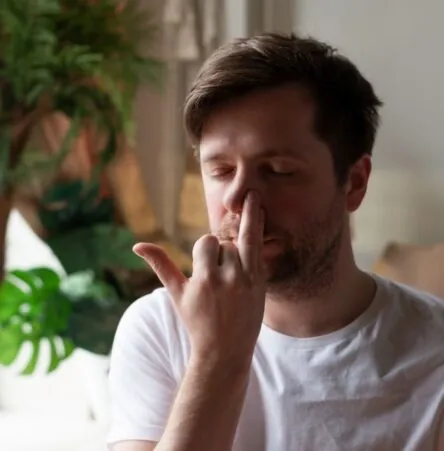
- Pranayama techniques like alternate nostril breathing (Nadi Shodhana)
- Mindfulness and guided meditation
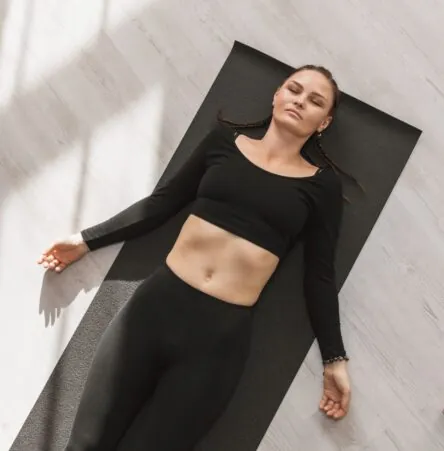
- Shavasana (Corpse Pose): The ultimate form of yogic pratyahara—eyes closed, body relaxed, senses quieted
In our overstimulated modern world, yogic pratyahara offers silence, rest, and mental clarity, making meditation more accessible and effective.
Pratyahara and Ayurveda: Nourishing Body and Mind
In Ayurveda, pratyahara goes beyond the senses—it also involves control of ahara, or “food”, which includes anything we consume physically, mentally, or emotionally.
Ayurvedic Practices That Support Pratyahara
- Ayurvedic diet: Meals designed to balance doshas and support digestion
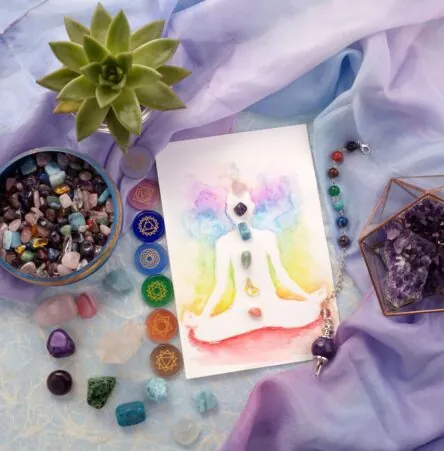
- Aromatherapy & color therapy: Gentle, sensory-calming techniques
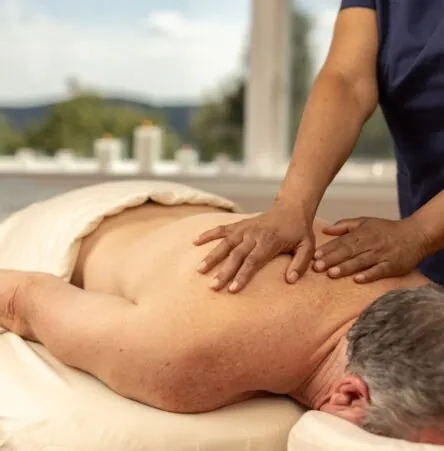
- Ayurvedic massage & marma therapy: Release tension and restore energy flow
- Shirodhara & Panchakarma: Deep detoxification and relaxation
- Fasting or Kichadi feasts: Gentle nourishment for the digestive system
Social Pratyahara
Pratyahara also includes the quality of your associations. Surround yourself with uplifting, heart-centered people. Ayurveda recommends satsang—spending time with those who inspire and uplift your mind and spirit.
Practical Tips to Practice Pratyahara Daily
- Turn off distractions: Reduce exposure to negative media, social media, and noise.
- Create a calming environment: Designate a space in your home for quiet reflection, meditation, or yoga.
- Connect with nature: Walk barefoot, watch the sky, or sit by water.
- Mindful sensory intake: Choose experiences, conversations, and food that uplift rather than deplete.
- Integrate Ayurvedic practices: Herbal teas, massages, and gentle yoga support a calm mind-body connection.
Pratyahara is the gateway to meditation, helping you cultivate inner silence, emotional balance, and clarity in an overstimulated world.
Why Pratyahara Matters in Modern Life
In a society driven by constant stimulation, practicing pratyahara allows
- Greater focus and concentration
- Improved mental and emotional resilience
- Deep relaxation and rejuvenation
- Enhanced meditation and mindfulness practices.
Even small steps—like unplugging for a few hours, enjoying a nature walk, or practicing Shavasana—bring profound benefits for your body, mind, and spirit.