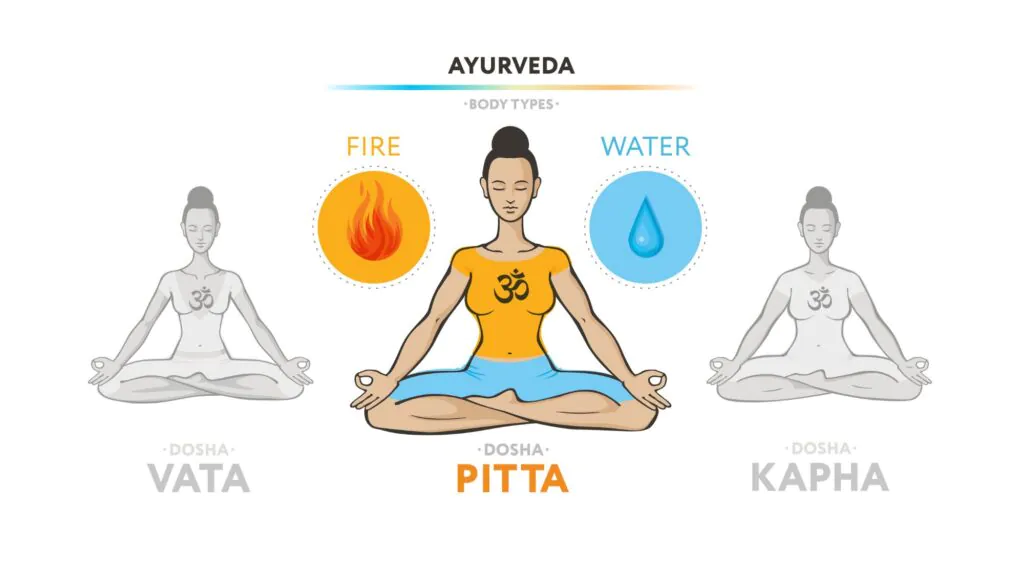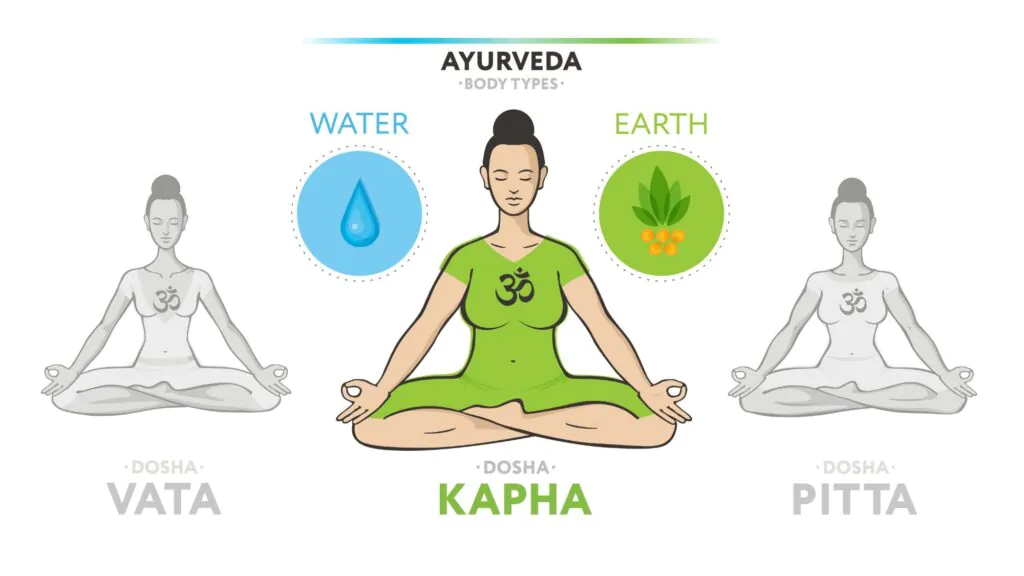
In the last post, we explored the three primary constitutional types in Ayurveda. Here, we take a deeper look at vata, often called the mover and shaker of the three doshas.
This information is especially helpful if you:
-
Have a vata constitution
-
Lead a fast-paced or hectic lifestyle
-
Are experiencing a vata imbalance
-
Live in a cold, dry, or windy climate, or notice increased imbalance during late summer and fall, when vata naturally rises
Understanding Vata
Vata is primarily associated with the elements of air and space. It is the force responsible for movement in the body and mind—and because movement is essential to all physiological processes, vata is considered the most influential of the three doshas.
An ancient Ayurvedic teaching explains it this way:
“Just as a cloud cannot move without the help of the wind, pitta and kapha cannot move without the aid of vata.”
When vata is balanced, the body and mind function smoothly. When it becomes aggravated, it can disturb not only vata itself, but also throw pitta and kapha out of balance.
What Disturbs Vata?
Because vata governs all movement, it is particularly sensitive to overstimulation, irregularity, and depletion. Activities and conditions that tend to aggravate vata include:
-
Excessive talking
-
Frequent travel
-
Insufficient sleep
-
Sleeping at irregular hours (such as staying awake all night and sleeping during the day)
-
Too much swimming or prolonged exposure to water
-
Cold, dry, or windy environments
-
Working under constant pressure or stress
-
Worry, emotional upheaval, anxiety, or mental overload
When these factors accumulate, vata can quickly become ungrounded.
The Effect of Food on Vata
Ayurveda recognizes that different times of day are governed by different doshas:
-
Morning: Kapha
-
Midday: Pitta
-
Evening: Vata
Because vata predominates in the evening, light, warm, and grounding foods are recommended at night. Raw foods such as salads and leafy greens—though healthy earlier in the day—can be difficult to digest in the evening and may aggravate vata.
Other foods that may disturb vata include:
-
Cold or iced foods and drinks
-
Frozen or highly processed foods
-
Large or gas-producing beans
-
Heavy meals eaten late at night
Vata Imbalance: When the Body Gets Winded
When vata becomes imbalanced, it often shows up first in the joints and nervous system. In fact, many forms of pain are associated with vata imbalance.
Common signs of aggravated vata include:
-
Joint pain, cracking, or stiffness
-
Muscle cramps or contractions
-
Circulatory issues or irregular blood pressure
-
Insomnia or restless sleep
-
Dry skin and brittle nails
-
Increased sensitivity to cold
-
Restlessness, agitation, or anxiety
-
Difficulty concentrating or staying focused
Emotionally, excess vata can create a sense of being ungrounded—physically present but mentally scattered.
Balancing Vata
The good news? Vata responds quickly to simple, consistent, and grounding practices. Small changes—such as establishing routine, prioritizing rest, staying warm, and choosing nourishing foods—can make a significant difference.
👉 Simple actions you can take to stay focused, steady, and balanced can be found here.
If you’d like deeper insight into your constitution or current state of balance, consider booking a Panchakarma Retreat or a virtual Lifestyle Consultation with one of our experienced practitioners.