A Complete Guide to Meditation Benefits, Techniques, and Practice
Meditation is more than a habit—it’s a transformational practice for mind, body, and spirit. In a world filled with stress, deadlines, and nonstop activity, meditation offers a reliable way to quiet the mind, deepen awareness, and find inner calm without effort.
This guide answers your key questions:
What is meditation? What are its benefits? How do you meditate? What techniques are most effective? Whether you’re a beginner or deepening your practice, this article gives you everything you need to know.
What Is Meditation?
Meditation is the practice of shifting your attention inward—observing thoughts without judgment and resting in awareness. Unlike effortful concentration, meditation allows the mind to settle naturally into a state of clarity, calm, and presence.
As Art of Living Founder Gurudev Sri Sri Ravi Shankar describes it, meditation is “the delicate art of doing nothing and letting go of all the effort to relax into your true nature, which is love, joy, and peace.”
Meditation Benefits: Mind, Body, and Emotional Well-Being
Meditation offers a wide range of benefits that unfold gradually with consistent practice:
Mental Benefits
- Reduces stress and mental chatter
- Enhances focus and concentration
- Improves memory and decision-making
- Supports emotional regulation and resilience
Physical Benefits
- Calms the nervous system
- Supports heart health and healthy blood pressure
- Improves sleep quality
- Encourages balance in overall bodily systems
Emotional & Spiritual Benefits
- Encourages inner peace and emotional balance
- Deepens self-awareness and compassion
- Helps you respond more skillfully to life’s challenges
Unlike quick hacks, meditation supports long-term mental and emotional balance by strengthening how the nervous system responds to stress rather than only reacting to it.
How to Meditate: A Simple Step-by-Step Practice
Here’s a beginner-friendly approach rooted in traditional meditation principles:
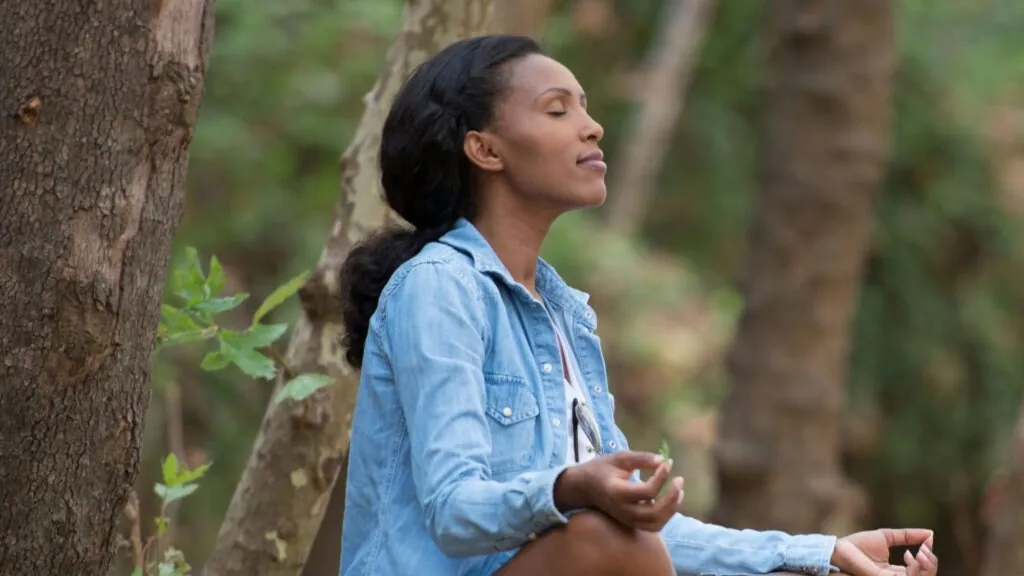
- Pick a quiet, comfortable seat—You can sit in a chair or cross-legged on the floor.
- Keep your spine upright—Let your posture be relaxed and alert.
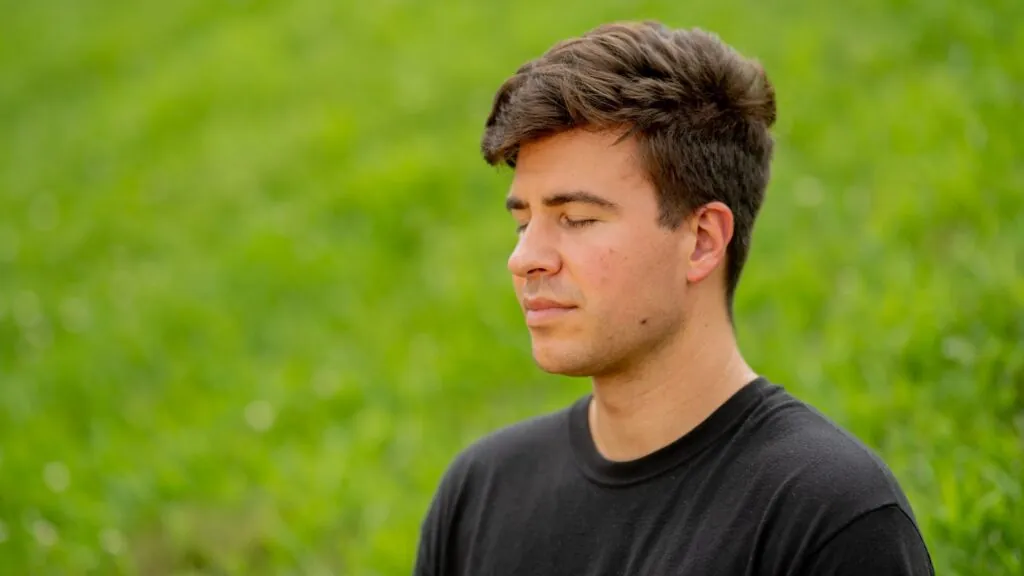
- Close your eyes gently—Soft focus inward.
- Observe your breath—Notice the natural rhythm without forcing it.
- Return when the mind wanders—Thoughts will come; just return attention to breath.
Meditation is not about stopping thoughts—it’s about noticing them without getting pulled into them.
Tip Aim for 10–20 minutes daily to start. Over time, practice naturally deepens.
Types of Meditation for Everyday Practice
Meditation is not one rigid technique—there are many pathways:
- Breath Awareness Meditation: Focuses on the natural breath
- Mantra Meditation: Uses a sacred sound to steady attention
- Guided Meditation: Follows verbal guidance from a teacher
- Mindfulness Meditation: Observes thoughts and sensations without judgment
- Effortless Meditations like Sahaj Samadhi: Cultivates calm without strain
Each style offers unique benefits. The key is finding a meditation method you enjoy and return to daily.
Common Questions About Meditation
How Long Should You Meditate?
There’s no perfect duration, but consistency matters more than length. Short daily practice builds deeper benefits than occasional long sessions.
Can Anyone Meditate?
Yes. Meditation is accessible to all, regardless of age or background. It doesn’t require effort, intense focus, or special equipment.
Do I Need to Sit Still?
Stillness helps, but meditation can also be practiced during gentle movement or walking when done mindfully.
Overcoming Meditation Challenges
It’s normal to encounter thoughts, restlessness, or mild discomfort in early practice. Here are practical tips:
- Treat thoughts as passing clouds—don’t chase them
- Start with breath awareness to settle the mind
- Accept restlessness and refocus gently
- Practice regularly, and allow your experience to unfold naturally
Meditation is not about perfection — it’s about consistency and presence.
Why Meditation Retreats Deepen Practice
Meditation retreats offer
- Structured sessions with experienced teachers
- Immersive environments free from daily distractions
- Time to go deeper into stillness and awareness
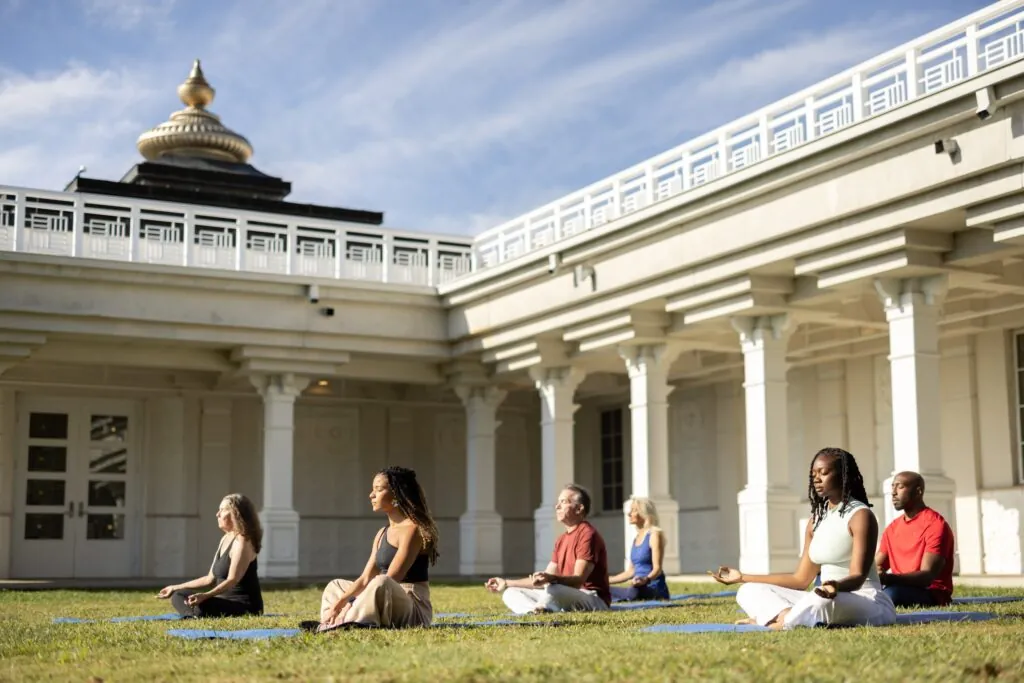
- Supportive community and reflective time in nature.
At the Art of Living Retreat Center, Signature Meditation Retreats blend breathwork, mindfulness, and reflection in a setting designed to support calm, insight, and personal growth.
Bring Meditation Into Daily Life
Meditation isn’t only for quiet rooms or retreats — it benefits everyday living:
- You respond more skillfully to stress.
- Your relationships deepen.
- You experience more focus and clarity.
- Your inner calm becomes your baseline.
Meditation becomes a way of living, not just a practice.
Start Your Meditation Journey Today
Meditation is a lifelong companion that grows with your intentions. Whether you’re seeking calm, clarity, emotional balance, or a deeper connection, a regular meditation practice gives you a path inward—one quiet moment at a time.